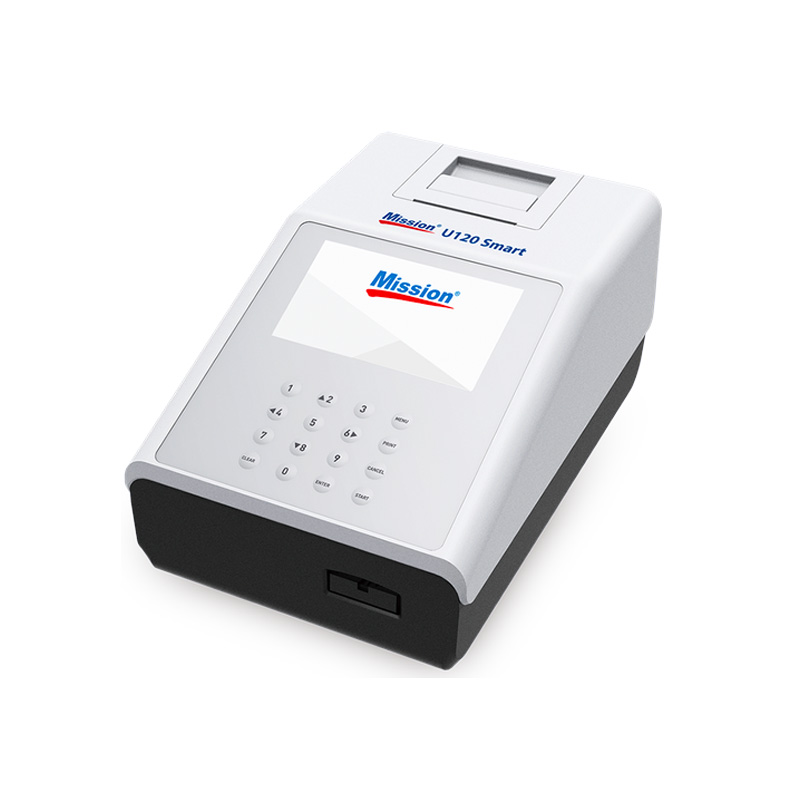
Pathological Lab Equipment's
A biochemistry analyzer is a laboratory instrument used to measure the chemical composition of a biological sample. It is an essential tool for clinical diagnosis, monitoring of treatment efficacy, and disease research. The analyzer works by using various biochemical techniques such as spectrophotometry, chromatography, and immunoassay to determine the levels of various metabolites, enzymes, hormones, and other biochemicals present in the sample.
Modern biochemistry analyzers are highly automated and can process multiple samples simultaneously, providing fast and accurate results. They are used in a wide range of applications, including hematology, endocrinology, clinical chemistry, and drug discovery. Some of the common tests performed using a biochemistry analyzer include glucose level, lipid profile, liver function tests, and kidney function tests.
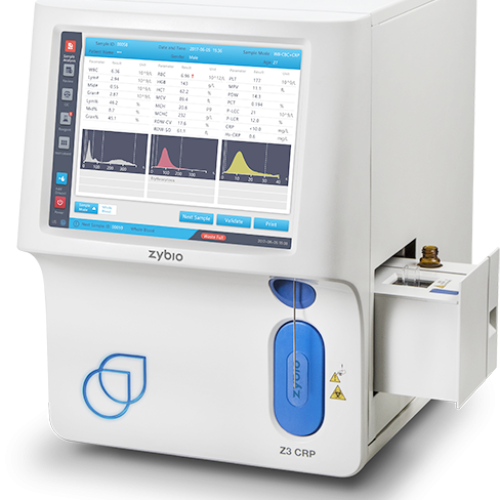
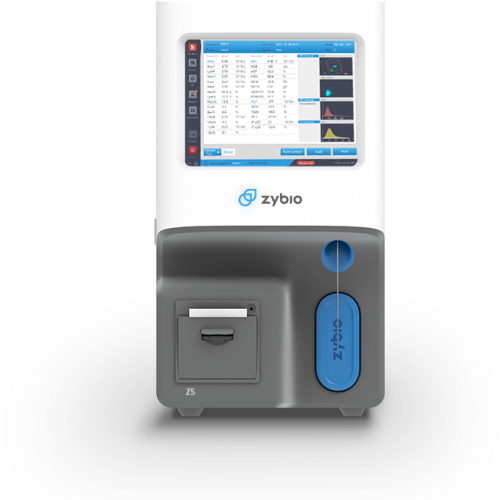
A hematology analyzer is a medical laboratory instrument used to analyze blood samples. It is an essential tool for the diagnosis and treatment of various hematological disorders such as anemia, leukemia, and hemophilia. The analyzer works by using various technologies such as electrical impedance, laser light scattering, and flow cytometry to measure various parameters related to the blood cells.
Modern hematology analyzers are highly automated and can process multiple samples simultaneously, providing fast and accurate results. They can measure several parameters such as complete blood count (CBC), white blood cell count (WBC), red blood cell count (RBC), hemoglobin level, hematocrit, platelet count, and other blood cell indices.
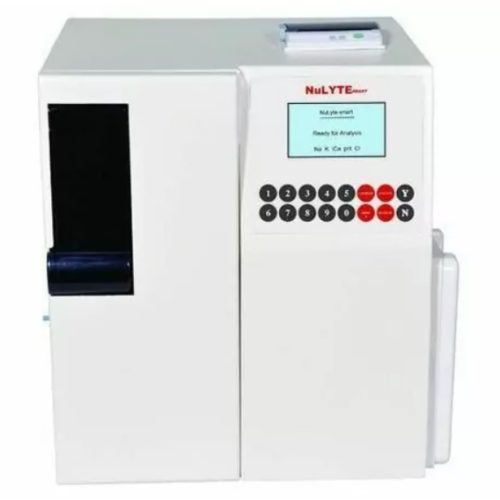
An electrolyte analyzer is a medical laboratory instrument used to measure the concentration of various electrolytes in blood or other body fluids. Electrolytes are charged ions that play a critical role in maintaining the balance of fluids, pH, and electrical activity in the body. Some of the common electrolytes that are measured using an electrolyte analyzer include sodium, potassium, calcium, chloride, and bicarbonate.
Modern electrolyte analyzers are highly automated and can process multiple samples simultaneously, providing fast and accurate results. They work by using various technologies such as ion-selective electrodes, flame photometry, and colorimetry to measure the concentration of electrolytes in the sample.
An ELISA reader is a laboratory instrument used to measure the results of an enzyme-linked immunosorbent assay (ELISA). ELISA is a biochemical assay technique used to detect the presence and concentration of specific antigens or antibodies in a sample.
The ELISA reader works by measuring the absorbance or fluorescence of the sample at specific wavelengths. Modern ELISA readers are highly automated and can process multiple samples simultaneously, providing fast and accurate results. They are equipped with software that allows for the automated calculation of concentrations and the generation of standard curves.
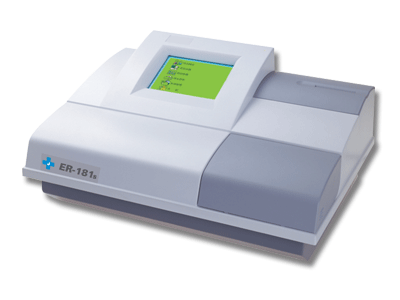
A urine analyzer is a medical laboratory instrument used to analyze urine samples. It is an essential tool for the diagnosis and monitoring of various medical conditions such as kidney disease, diabetes, and urinary tract infections. The analyzer works by using various technologies such as microscopy, colorimetry, and refractometry to measure various parameters related to the urine.
Some of the common parameters measured by a urine analyzer include pH, specific gravity, protein, glucose, ketones, bilirubin, urobilinogen, nitrite, leukocyte esterase, and microscopic elements such as red and white blood cells, epithelial cells, and bacteria